
Posts in Eating Disorder Treatment
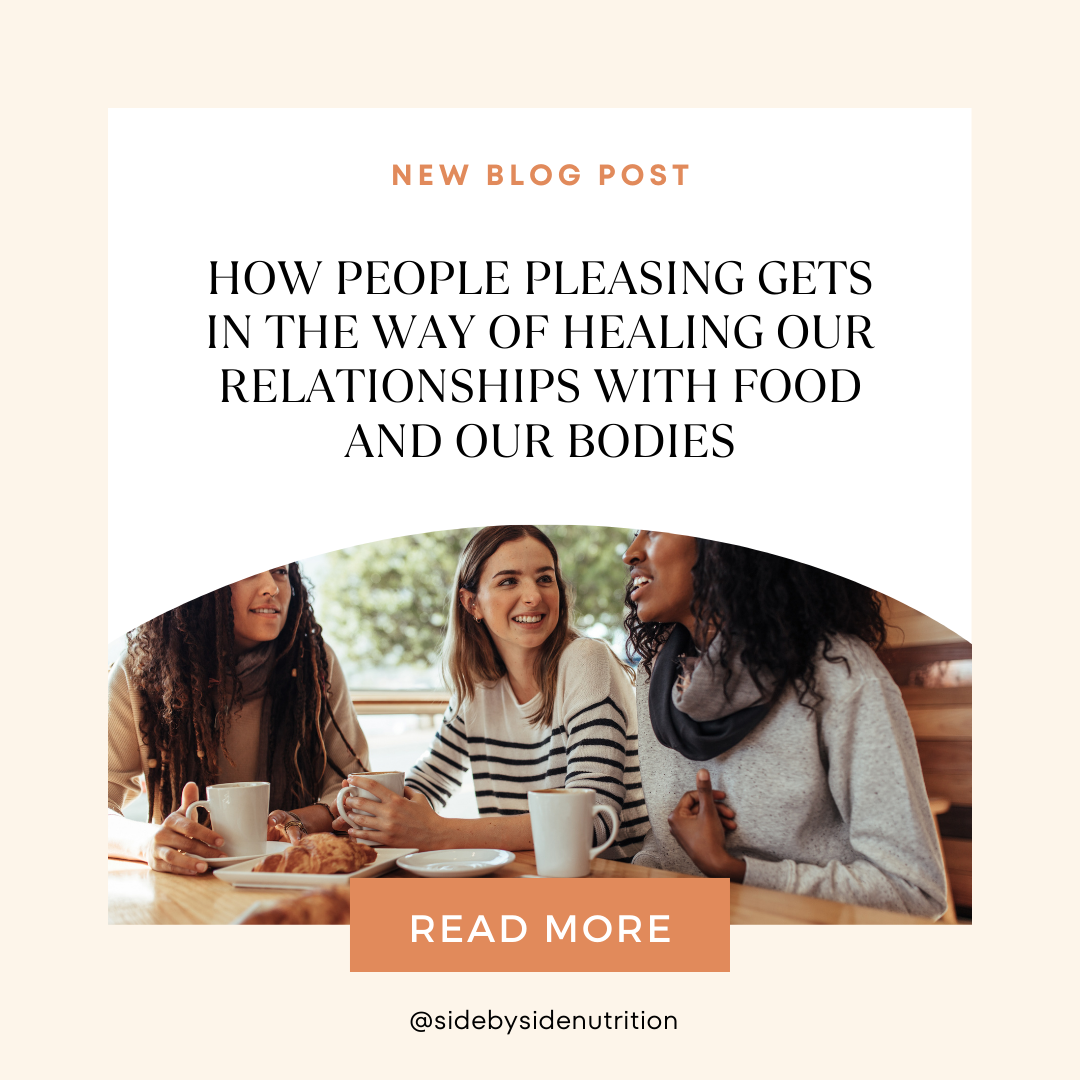
People Pleasing and Body Trust: How People Pleasing Gets in the Way of Healing Our Relationships with Food and Our Bodies

How people pleasing can get in the way of body trust. Stop listening to others and improve your body image. Quiet food noise. Achieve full recovery from eating disorders and disordered eating with support from an ED dietitian in Washington and Colorado. Online and in-person treatment are available.

Read More
How to Manage an Eating Disorder in Pre-pregnancy, Pregnancy, and the Postpartum Period

Manage an eating disorder pre-pregnancy, during pregnancy, and postpartum with expert dietitian nutritionists in Colorado and Washington. Access online and in-person outpatient nutrition care to improve fertility, manage an eating disorder during pregnancy, improve healing postpartum, and recover from anorexia, bulimia, BED, OSFED, and disordered eating. 

Read More
Can You Fully Recover from an Eating Disorder? What Full Recovery Really Means

Get outpatient treatment with a dietitian nutritionist in Washington and Colorado  to fully recover from an eating disorder. Understand what recovery means and looks like. Online and in-person medical nutrition therapy with a Woodinville nutritionist can help you overcome anorexia, bulimia, ARFID, BED, orthorexia, and disordered eating.

Read More
Breaking Free from Diet Culture: How to Reclaim Your Relationship with Food

Diet culture is pervasive in our society, constantly bombarding us with messages about what our bodies should look like and what foods we should or shouldn’t eat. For those who have struggled with disordered eating, diet culture can be a major barrier to recovery, reinforcing unhealthy beliefs about food, weight, and body image.

Read More
Navigating Social Situations During Eating Disorder Recovery

One of the most difficult aspects of eating disorder recovery is navigating social situations—whether it's family gatherings, eating out with friends, or holiday celebrations. Food is often at the center of social interaction, and for someone recovering from an eating disorder, these situations can feel overwhelming and anxiety-provoking. The pressure to conform to social expectations around food, appearance, and behavior can trigger feelings of shame or insecurity.

Read More
The Role of Body Trust in Eating Disorder Recovery

Body trust is the foundation of healing from disordered eating and eating disorders. It’s the ability to listen to and respect your body’s signals—whether that’s hunger, fullness, or the desire for specific foods. For many people struggling with an eating disorder, there’s a profound disconnect from the body. Diet culture and societal pressures can create a sense of distrust, making it difficult to truly understand what the body needs.

Read More
The Truth About “Clean Eating” and How It Can Fuel Disordered Eating

“Clean eating” has become a popular way to improve health. The focus is on whole, unprocessed foods and avoiding anything “artificial” or “junk.” It seems like a straightforward way to adopt healthier habits. However, when clean eating becomes a rigid set of rules, it can lead to disordered eating. Recognize the signs of disordered eating and repair your relationship with food with outpatient nutrition therapy.

Read More